
Bruxism, jaw dysfunctions and arm pain
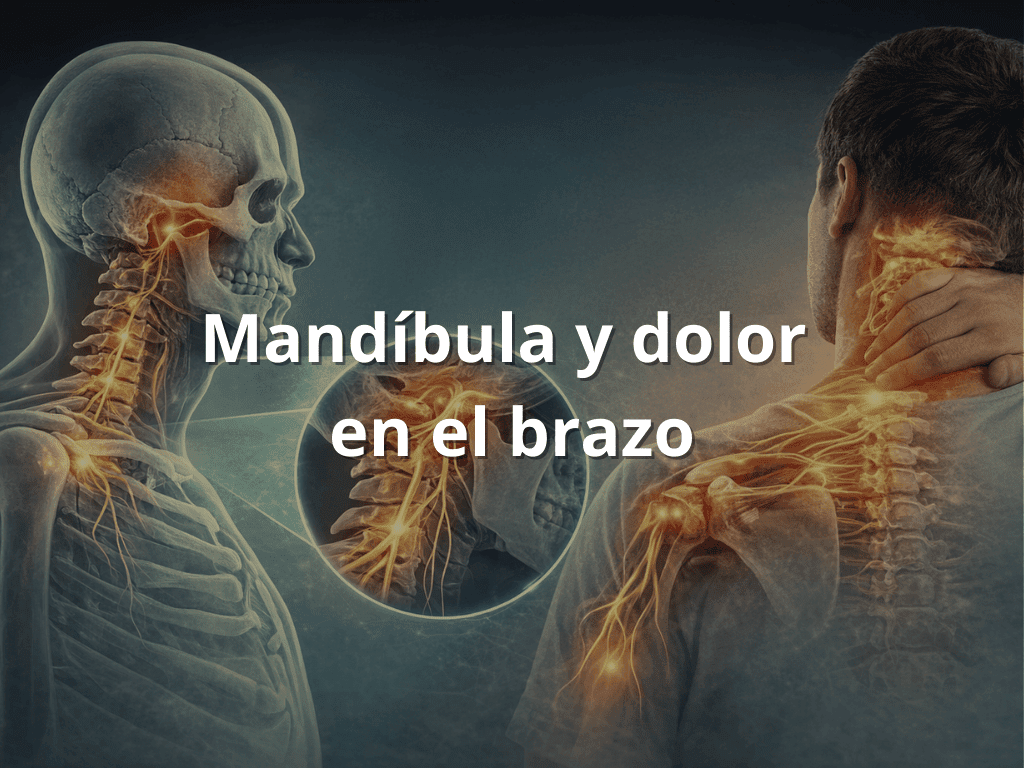
How can bruxism and jaw pain affect your arm pain?? We tell you the possibilities that exist with arm pain that cannot go away with anything.
Plantar fasciitis and sole pain
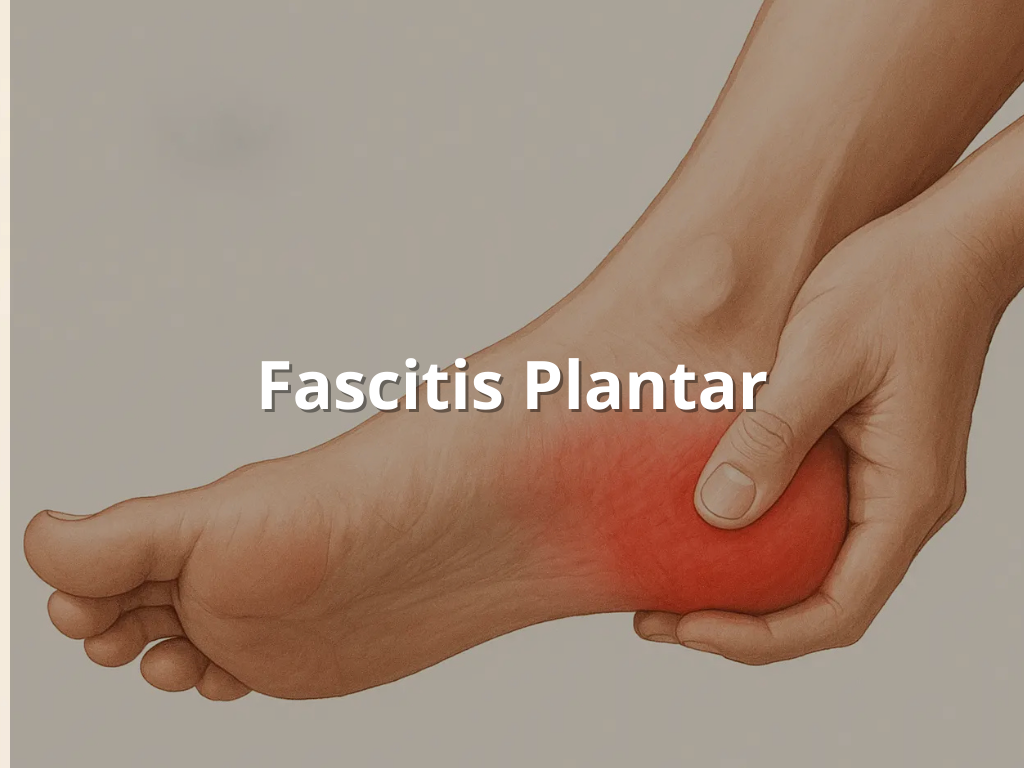
Plantar fasciitis and pain in the sole of the foot: what no one tells you Pain in the sole of the foot is one of the most common complaints in consultation and is often directly diagnosed as plantar fasciitis. But the reality is that this pain can have multiple origins.. In this article I want to tell you, from my clinical experience, why the main cause is not always the fascia, What are the most common diagnostic errors and how do we work in physiotherapy to restore balance to the foot?, his strength and mobility. When plantar pain appears, we don't always talk about plantar fasciitis. These are some of the most frequent causes that can be confused with: Heel spur: that little nail-shaped bone that is seen on x-rays and would cause pain in the heel of the foot. Tendinopathy of the tibialis posterior and other muscles that support the plantar arch. Pathology of the flexor hallucis brevis, key in propulsion when walking and running. Pain irradiated from the lumbar zone (L4 nerve roots, L5 and S1 responsible for plantar sensitivity). Nerve entrapment syndromes such as tarsal tunnel or Baxter nerve compression. Stress fractures of the calcaneus, frequent in runners or after sudden increases in activity. Heel fat pad atrophy, which reduces the natural cushioning of the foot. As you see, Pain in the sole of the foot has many possible causes and reducing it all to plantar fasciitis is an understatement.. Below we are going to include the most common causes why people who come to our office suffer from plantar pain.. Plantar fasciitis and falling arch One of the most frequent findings in consultation is falling plantar arch due to weakness of the intrinsic muscles of the foot.. This fact does not always cause pain by itself., but it does predispose the nervous system to detect the foot as “at risk” and generate pain. Besides, This situation leaves the foot in a position of great eccentric tension., which can greatly stress the plantar fascia. Said another way, The fascia must be supporting both ends of the foot, making it permanently subject to longitudinal tension, which can generate inflammation and plantar pain.. Types of plantar arch and their relationship with plantar fasciitis Pathology of the nervous system In addition, We must not forget that pain in the sole of the foot can also be related to the lumbar area in two different ways.: 1. Of the metamers (or vertebral segments) of the L4 vertebrae, L5 and S1 leave and enter the nerves that end up reaching the sole of the foot. These nerves transmit motor and sensory information to the foot. (inter alia). Any condition in this area can affect the correct functioning and processing of this information., generating movement dysfunctions and altered sensory perceptions. 2. In the upper lumbar vertebral segments (T12-L2) We find the processing nerve centers of the vegetative or autonomic nervous system that travel to the entire lower limb., including foot. This system is responsible for deciding, among other things, when and how much veins dilate and contract, arteries and blood capillaries, conditioning on the amount of blood that reaches the fascia and foot in general and, therefore, to the drainage and cleaning capacity of the area. An imbalance in this system could alter the correct blood supply of the microcirculation., and therefore oxygen and nutrients, etc. which makes cleaning difficult, drainage and tissue recovery of the area. Mobility restrictions and biomechanical adaptations Old injuries such as sprains, fractures or deformities (hallux rígidus, hallux light o juanetes) can impair foot mobility. These adaptations overload structures such as the plantar fascia or tendons., resulting in inflammation and degeneration, and hinder free movement of the foot, reproducing symptoms similar to those of plantar fasciitis. Active treatment: solve the real problem How to cure plantar fasciitis or plantar pain? The key is not to “turn off” the pain, but to restore the foot's balance. For this, we follow a progressive approach: Identify the real problem: Determine the source of the problem. ¿It lumbar?, The nervous tour?, A failure in biomechanics?, Muscle weakness?, Are you sleeping well? Establish the strategy with the appropriate treatment and simple but well-focused exercises, meanwhile reducing repetitive load (to walk, run, hop). Progress towards better habits and exercises with more load: stand up, walk, sports gestures. Active awareness of the arch in all activities. The most important muscles we work are: tibial posterior, tibial anterior, flexors brevis and abductor hallucis, globally, the posterior chain. Exercises and useful tools Exercises with rubber bands: The aim is to induce the fall of the arch so that the patient learns to correct it, activating protective muscles. BlackBoard Training: a training board that allows you to work on the stability and independence of the foot with respect to the rest of the leg. Thanks to it, the foot regains strength, control and ability to adapt to all types of terrain. Conclusion Pain in the sole of the foot is not always plantar fasciitis, although it is often diagnosed this way. May be due to muscle weakness, bow fall, nerve entrapments, lower back problems or even stress fractures. We must know that the pain, including plantar fasciitis, does not always reflect tissue damage. It is a protective signal of the nervous system, that seeks to get our attention and make us modify behaviors. That's why, if we only treat the foot without looking at the rest of the body (lumbar, hip, knee…), we probably won't find the real cause. The most effective treatment does not involve passive therapies, but for active and progressive multidisciplinary work that also readapts the biomechanics of the foot, returning the strength, stability and freedom of movement necessary to face any situation. Does the sole of your foot hurt?? Let us help you 📞 Call us
Ferropenic anemia: Everything you should know
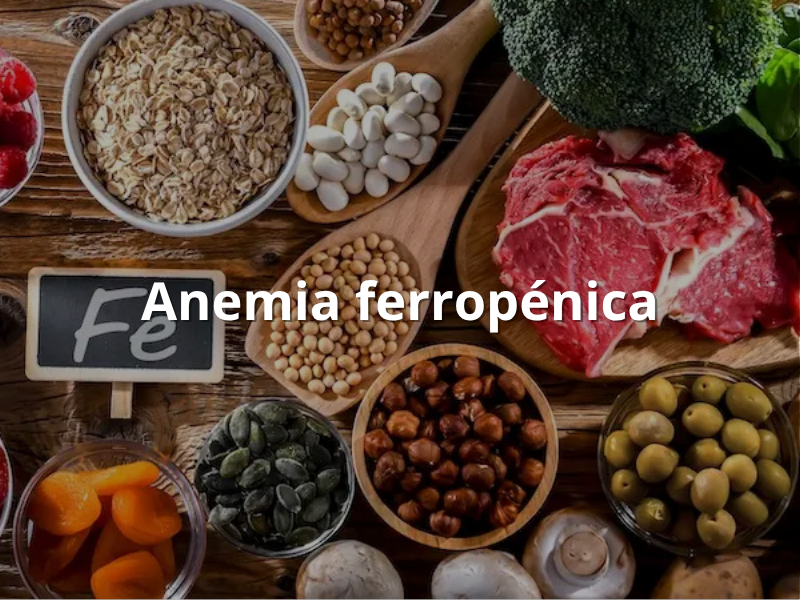
Ferropenic anemia: How to improve iron absorption naturally iron is essential to produce hemoglobin, protein that transports oxygen in the blood. However, Many people - especially women - do not absorb enough amount, what can cause ferropenic anemia, One of the most common nutritional deficiencies. Symptoms range from fatigue and difficulty concentrating to pale or brittle nails. Fortunately, Improving iron absorption with some simple habits is possible ... and without supplements in many cases! ⚙️ Iron types: Do everyone absorb the same? In food we find two types of iron: HEMO iron: is in red meat, Fish and seafood. Is the one that is best absorbed (15-35%). Iron No Hemo: Present in lentils, spinach, Tofu or whole cereals. Its absorption is lower (2-20%). That's why, People with vegetarian or vegan diets should pay special attention to how food combines to optimize iron absorption. Why does iron cost so much absorb? Although a diet contains enough iron, There are people who present difficulties to absorb it effectively. This may be due to several factors: From digestive problems such as atrophic gastritis, celiac disease or irritable intestine syndrome, even alterations in the acidity of the stomach, which is necessary to release and transform iron into an absorbable form. Besides, Prolonged use of antacids, Bariatric surgery or aging can reduce intestinal absorption capacity. That's why, It is not always enough with "eating more iron": It is key to understand and address the individual factors that are affecting absorption. Iron -rich foods 🥩 foods of animal origin rich in hemo (High absorption) Liver (of veal, pollo, pig) Red meat (veal, cordero) Turkey and chicken (especially thigh) Fish (Sardinas, tuna, salmon) Seafood (clams, mussels, cockle) 🌱 Foods of plant origin rich in non -hemo (lower absorption) Kale spinach spinach chickpeas lentils (kale) Pumpkin and sesame seeds nuts (almonds, anacardos, Pistachos) Pan and Fortified Bread and Cereals Fortified Caña Moaf (The difficulty) Iron absorption ✅ practical counselo: Always combine iron -hemo -rich foods with vitamin C sources to multiply its absorption. For example: Lentil salad + Limón shed tafu sauteed + Ausa red pepper + strawberries, mandarin or kiwi 🚫 on the contrary, Try to avoid certain foods during the main meal, since they inhibit iron absorption: The coffee (tannins) Dairy (soccer) Red wine (polyphenols) The solution is not to eliminate them, but space them in time: wait 1-2 hours to have that coffee after eating. 🍊 Foods rich in vitamin C. (To combine with the previous) Oranges, Mandarins, Kiwis Strawberries Red and green peppers broccoli raw tomato lemon juice ✅🍳 Cooking techniques that favor iron Some gestures in the kitchen can make a difference: ✅ Soak or germinate legumes and cereals: reduce fitatos (Iron inhibitors). ✅ Cooking with cast iron pans: It brings small amounts of iron to food, especially if they are acids (like tomato or lemon). ✅ Fermented vegetables: How Tempeh Miso, They decrease antinutrients and favor absorption. ❌ Avoid destroying vitamin C by cooking: Vitamin C is very sensitive to heat, so it is easily lost during cooking. To make the most of its effect, It is better to consume rich foods in this crude vitamin or add them at the end of the preparation. For example, You can add fresh peppers to a lentil salad or squeeze lemon juice on the plate just before serving. Should I take iron supplements? Before resorting to supplements, It can be interesting to assess whether your habits are the most appropriate and if with a slight change you can regulate iron levels. In Laugan Getxo, We value your individual case and help you recover your iron levels with personalized strategies. Because good nutrition should not be based on restrictions, but in informed decisions. I leave you a couple of links that talk about the same 🤓: 📍 How to avoid anemia – NIH: National Institute of Health 📍 Iron in the diet – Medlineplus do you need help? If you have symptoms like fatigue, Frequent weakness or dizziness, You could be facing mild ferropenic anemia without diagnosing. And with a few settings in your diet, You can recover your energy. 👉 Ask for your appointment in Laugan and discover how to adapt these tips to your food and lifestyle. Contact us 📞
Surely it is a tennis -elbow?
tennis-elbow
When pain does not come from where you believe
When the pain doesn't come from where you think, have you ever had a painful area treated without results?? The true source of the pain may not be where you feel it. In consultation, We often see people who arrive convinced that they have a “tennis elbow“, a “plantar fasciitis” or even a “trochanteritis“… and it turns out that the problem is, no more no less, in the spine. As they say: “Not everything is what it seems”. Sometimes, an irritation or dysfunction in the spine can cause what we call referred pain: a sensation of pain that appears in an area distant from the source of the problem. As an example: External elbow pain may not be “tennis elbow”, but a problem in the cervical C5-C6. Pain on the inside of the knee, commonly diagnosed as ““Goose foot tendinitis”, may originate from the L3 lumbar root. Persistent plantar fasciitis may not be such, but be related to irritation in the L5 root. Pain in the lateral area of the hip, typical of “trochanteritis”, may be related to dysfunctions in L1. And classic tension headaches can arise from restrictions in the upper cervical area. (C1-C3). 🧠 Surprising, TRUE? That's why, instead of focusing only on the area that hurts, In physiotherapy it is essential to make a global assessment: analyze your story, context, your movements and the neurological relationship between the areas. 📣Do you feel any of these pains (or others) and you do not improve with the usual treatment? You can do two things: Pay attention to the following posts that we are going to upload to the blog. Make an appointment for a complete assessment. Our professionals are highly trained to help you. You are one click away from healing.. 🙂 📍Make your appointment and resolve your pain
Food for improving injury recovery: That, When and how to eat?
Food for injury recovery What, When and how to eat? When we suffer an injury, either muscular, bone or articular, Our body needs specific nutrients to repair damaged tissues. Food can accelerate or delay this process and, Unfortunately, Many people neglect this crucial aspect during recovery. That is why we come to shed light in this matter. Food and injury proteins are bricks that rebuild muscles and tendons. But it's not just about quantity, but of quality and distribution. Include a complete egg protein source, fish, lean meat or legume combinations with cereals ensures a constant supply of amino acids. Leucine, abundant in milk serum, Eggs and meats, It is particularly important for its role in muscle synthesis. For those who prefer plant options, soy, Chickpeas and Quinoa are excellent alternatives. Omega-3 fatty acids present in salmon, Chia nuts and seeds modulate inflammation. Combine them with foods rich in antioxidants (berries, turmeric, has green) Create an ideal environment for repair. A simple trick: Add a pinch of black pepper to turmeric multiplies by 20 The absorption of its active substance, at Curcumina. The collagen, especially hydrolyzed collagen peptides, It has demonstrated benefits for the recovery of tendons and ligaments. You can find it naturally in bone broths or as a supplement. Minerals like zinc (oysters, pumpkin seeds) and magnesium (spinach, almonds) They also play key papers in healing. Hydration is another frequently forgotten pillar and as Laugan Getxo nutritionist I don't get tired of repeating it. Water is necessary to transport nutrients to damaged cells and remove waste. A practical way to monitor it is to observe the color of urine: It must be clear yellow. In our center, We design plans that take into account the type of injury, your level of activity and, of course, Your food preferences. Because recovering does not mean hungry or eating tasteless foods. If you think we can help you, 📍 Reserve your appointment here . You can consult the full article in the Journal of the International Society of Sports Nutrition for more details: Jissn – Nutrition for Injury Recovery. Are you injured and you don't know where to start? We work from an updated and personalized approach. If you have pain or are in the process of recovery, We can help you go back with confidence and recover better.
Is complete rest useful in injuries?
Is complete rest useful in injuries? Why moving is part of the solution For years it has been repeated over and over again: “If it hurts you, “Don’t move.”. Absolute rest has been the star recommendation after many injuries, but does it still make sense today? The short answer is not always. Actually, in most cases, Prolonged rest can do more harm than good. The myth of complete rest When a person suffers an injury—a contracture, a sprain or even low back pain—it is common to hear advice such as: “Stay in bed”, “keep rest”, “wait for it to heal.” These messages no longer hold up with current evidence. Today we know that the body needs movement, that when well planned and adapted to the time of injury, accelerates recovery and improves tissue quality. Why complete rest can be harmful? So you should never rest? It's not about moving without control. The relative rest (that is to say, avoid what clearly makes symptoms worse, but stay active as much as possible) yes it is useful in acute phases. The objective must be: reintroduce movement as soon as possible, progressively and guided. For example: Moving is medicine. But move well, at the right time and with the right support. 🎓 If you want to know more, You can consult the following references: 📍Early mobilization in spinal cord injury promotes changes in microglial dynamics and recovery of motor function 📍Acute Achilles Tendon Rupture: Clinical Evaluation, Conservative Management, and Early Active Rehabilitation 📍Early mobilization following elective ankle lateral collateral ligament reconstruction in adults Are you injured and don't know where to start?? In our clinic we work from an updated and personalized approach. If you have pain or are in the process of recovery, We can help you go back with confidence and recover better. Book your appointment here 📍